

When to Replace Sex Toys: Time for a Safer Upgrade
Knowing when to replace sex toys protects both your sexual health and your overall wellbeing. Signs such as material breakdown, weakened motors, persistent odors, or outdated materials indicate it may be time for a safer upgrade. Replacing toys is not about waste or excess—it is about maintaining hygiene, supporting your nervous system’s sense of safety, and continuing to enjoy pleasure with confidence.
Sex toys are designed to support pleasure, curiosity, and sexual wellbeing. Over time, however, even well-made products experience wear, material fatigue, and hygiene challenges. Understanding when to replace sex toys is an important part of maintaining both physical safety and emotional comfort. When toys are properly cared for and replaced when necessary, they continue to support a healthy and confident relationship with pleasure.
Many people develop a strong attachment to their favorite toy because it represents familiarity, relaxation, and predictable pleasure. From a nervous system perspective, this makes sense. The body often prefers experiences that feel safe and known. Yet keeping worn or damaged toys too long can compromise hygiene or performance. Learning to recognize replacement signals allows you to maintain a supportive, safe, and empowering sexual wellness routine.
Table of Contents – When to Replace Sex Toys
- Why Knowing When to Replace Sex Toys Matters
- Typical Lifespan of Different Sex Toy Materials
- Signs It May Be Time to Replace Your Toy
- The Psychology of Attachment to Favorite Toys
- Hygiene and Safety Considerations
- Upgrading to Modern Sex Toy Technology
- Extending the Life of Your Sex Toys
- Key Takeaways
- Frequently Asked Questions
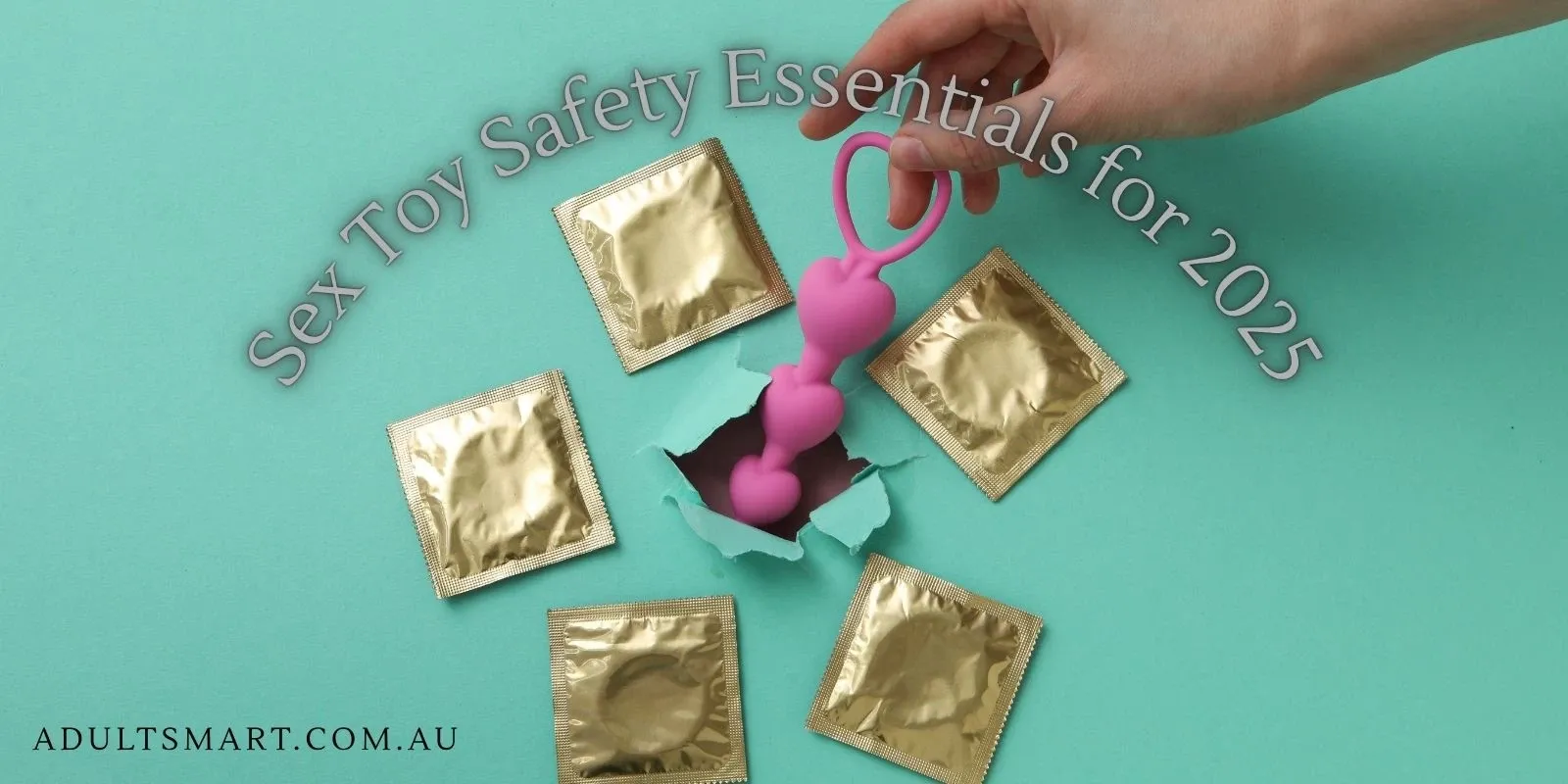
Why Knowing When to Replace Sex Toys Matters
Understanding when a toy has reached the end of its lifespan is an often overlooked part of sexual wellness. Over time, materials can break down, motors weaken, and surfaces become harder to clean effectively. These changes may not be immediately visible, but they can affect hygiene and comfort. According to guidance shared in how often you should replace sex toys, regular inspection and replacement helps reduce bacteria buildup and keeps toys functioning safely.
From a psychological perspective, maintaining safe pleasure tools also supports a sense of bodily trust. When people feel confident that their toys are clean, functional, and safe, their nervous system relaxes more easily during intimate moments. This sense of safety allows the body to shift out of vigilance and into a more receptive state where pleasure and connection can unfold naturally.
Replacing toys when needed is not about perfection or strict rules. It is simply a form of self-care. Just as we replace worn toothbrushes or athletic shoes, updating sex toys supports comfort, hygiene, and reliability. Treating sexual wellness products with the same respect we give other health tools can create a healthier relationship with pleasure overall.
Typical Lifespan of Different Sex Toy Materials
The lifespan of a toy often depends on the materials used in its construction. High-quality silicone, stainless steel, and glass toys can last for many years if properly cleaned and stored. These materials are non-porous, meaning they resist absorbing bacteria or moisture. For many users, investing in these materials can provide both longevity and peace of mind.
Other materials may degrade more quickly. Rubber, jelly, and porous plastics can absorb oils, moisture, and bacteria over time. Even with careful cleaning, these materials eventually break down. Educational resources like how often should you replace your sex toys explain that porous toys typically need replacement sooner to maintain safe hygiene practices.
In my studies of sexual wellness behavior, I have noticed that many people underestimate how material aging affects their toys. Surface changes can happen gradually, making them easy to overlook. Regularly checking for texture changes, discoloration, or material softness can help you decide when replacement is the safer option.
Signs It May Be Time to Replace Your Toy
Sometimes the signs that a toy needs replacement are obvious. Other times they appear subtly over time. Recognizing these signals can help maintain both safety and comfort during use. Small changes often indicate that materials or internal components are beginning to degrade.
Common signs include surface cracks, sticky textures, discoloration, or persistent odors that remain after washing. Mechanical issues such as weaker vibration patterns, overheating motors, or battery problems also suggest that the toy is reaching the end of its functional life.
One pattern I have noticed among long-term toy users is emotional hesitation to replace a favorite device. The familiarity can create a sense of attachment, especially if the toy has provided reliable pleasure. However, prioritizing safety and comfort ultimately strengthens trust with your body.
- Visible cracks or material breakdown
- Persistent odor after cleaning
- Motor or vibration weakening
- Surface becoming sticky or porous
- Charging or battery issues
The Psychology of Attachment to Favorite Toys
Sex toys often become part of personal rituals of relaxation and self-connection. Because of this, people sometimes develop emotional attachment to specific devices. Familiarity creates predictability, and predictability helps the nervous system relax. When a toy consistently produces pleasure, the brain begins associating it with safety and comfort.
From an attachment perspective, humans tend to maintain relationships with tools and routines that support emotional regulation. In therapeutic discussions around sexuality, it is common to hear people describe a toy almost like a trusted companion during moments of self-care.
In my experience working with sexual wellness education, reframing replacement as an upgrade rather than a loss can be helpful. Instead of letting go of something familiar, you are inviting new possibilities for pleasure and comfort while maintaining safety.
Hygiene and Safety Considerations
Hygiene plays a central role in deciding when to replace sex toys. Even with careful cleaning routines, materials eventually develop microscopic wear that makes thorough sanitation more difficult. Over time, this can create spaces where bacteria or residue may linger despite washing.
This does not mean toys become dangerous overnight. Instead, it highlights the importance of periodically assessing their condition. Smooth, non-porous materials are easier to clean and maintain. If surfaces begin feeling rough or uneven, it may be a signal that replacement would support better hygiene.
For people exploring new toys, learning how to choose a sex toy can help ensure safer materials and longer-lasting designs. Choosing high-quality products reduces the frequency of replacement while supporting more consistent pleasure experiences.
Upgrading to Modern Sex Toy Technology
Replacing an old toy can also be an opportunity to explore innovations in sexual wellness technology. Modern designs often include quieter motors, body-safe materials, and improved ergonomics. These upgrades can enhance both comfort and performance.
For example, devices such as smart app-controlled sex toys introduce new ways to personalize stimulation patterns and explore intimacy, whether solo or with a partner. Technology has expanded the possibilities of pleasure while also improving safety standards.
Curiosity also plays a role in sexual exploration. Some people enjoy experimenting with unusual designs like those highlighted in five weird sex toys, which demonstrate how creativity continues to shape the industry. Trying new styles can refresh pleasure routines and deepen awareness of personal preferences.
Extending the Life of Your Sex Toys
While replacement is sometimes necessary, proper care can significantly extend a toy’s lifespan. Gentle cleaning, appropriate storage, and mindful use help preserve materials and internal components. These habits support both hygiene and product durability.
Cleaning toys with warm water and body-safe toy cleaner removes residue and reduces bacterial growth. Drying them completely before storage prevents moisture from affecting materials or electronic components. Many experts recommend storing toys in breathable pouches or containers to avoid friction damage.
In my studies of pleasure practices, I have noticed that people who treat their toys with intentional care often report stronger trust in their bodies and experiences. Maintenance rituals can become part of a broader self-care practice that reinforces respect for personal wellbeing.
When to Replace Sex Toys: Embracing Safer Pleasure
Learning when to replace sex toys is less about strict timelines and more about awareness. By noticing changes in materials, performance, and hygiene, you can make decisions that protect both safety and pleasure. Replacing a toy when needed is simply a way of honoring your body and maintaining a supportive relationship with sexual wellness.
Approaching replacement with curiosity rather than reluctance can open the door to new sensations and improved designs. Pleasure evolves over time, and your tools can evolve with it. When you prioritize safety, comfort, and exploration together, your intimate experiences become more grounded and fulfilling.
Key Takeaways
- Recognizing when to replace sex toys supports hygiene, safety, and reliable performance.
- Material type strongly affects how long a toy safely lasts.
- Surface damage, odor, and mechanical issues often signal replacement time.
- Emotional attachment to favorite toys is normal but should not override safety.
- Upgrading toys can introduce safer materials and more advanced technology.
Frequently Asked Questions – When to Replace Sex Toys
How often should sex toys be replaced?
The replacement timeline depends on material and usage. High-quality silicone toys can last years, while porous materials may need replacement sooner.
What are the clearest signs a toy should be replaced?
Cracks, discoloration, sticky surfaces, persistent odors, or malfunctioning motors are strong indicators that a toy should be replaced.
Are expensive sex toys safer or longer lasting?
Higher-quality toys often use body-safe materials and durable motors, which can increase longevity and hygiene safety.
Can proper cleaning prevent the need for replacement?
Cleaning helps extend lifespan, but materials still degrade over time. Replacement eventually becomes necessary.
Is it normal to feel attached to a favorite toy?
Yes. Familiar tools often create comfort and predictability, which the nervous system associates with safety and relaxation.

