

Ergonomic Pleasure Toys: Comfort Meets Modern Intimacy
Ergonomic pleasure toys are designed to align with natural body movements and hand positioning. Their thoughtful shapes, gentle curves, and intuitive controls support comfort, relaxation, and a more personalized approach to modern intimacy.
Comfort plays a powerful role in how the body experiences pleasure. When a product is designed to fit naturally in the hand or align with the body’s curves, the mind often relaxes more easily. Ergonomic pleasure toys are built around this idea. Instead of forcing the body to adapt to a rigid design, these devices focus on natural positioning, smooth contours, and intuitive controls that make exploration feel more comfortable and less mechanical.
From a psychological perspective, comfort can influence how the nervous system responds to stimulation. When a device feels supportive rather than awkward, the body tends to stay in a relaxed state where curiosity and pleasure can emerge more easily. Ergonomic pleasure toys encourage a slower, more mindful approach to intimacy, allowing people to focus on sensation and connection rather than adjusting grips or positions during the experience.
Table of Contents – Ergonomic Pleasure Toys
- Understanding Ergonomic Pleasure Toys
- Why Design Matters in Intimate Products
- How Comfort Supports the Nervous System
- The Evolution of Ergonomic Intimacy Tools
- Choosing the Right Ergonomic Toy
- Comfort, Confidence, and Intimacy
- Key Takeaways
- Frequently Asked Questions
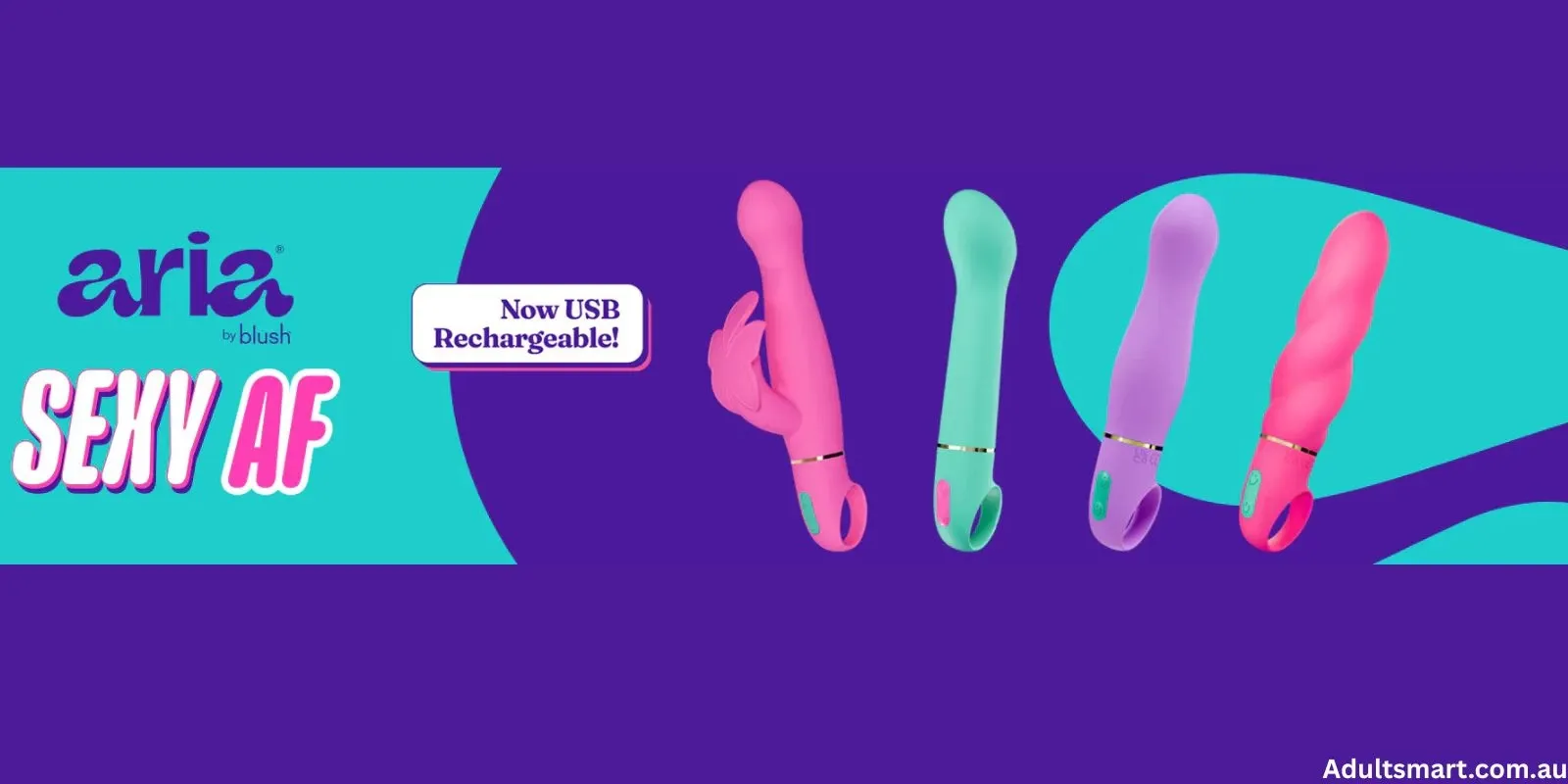
Understanding Ergonomic Pleasure Toys
Ergonomic pleasure toys are designed with human anatomy in mind. Instead of simple straight shapes or rigid materials, these devices feature curves and contours that mirror natural body positioning. This design approach reduces strain on the wrist and hand while allowing the device to rest comfortably against sensitive areas. The result is a product that feels less like a tool and more like an extension of natural touch.
In my studies of product design and sexual wellness tools, I often notice that the most satisfying experiences come from devices that feel intuitive to hold. When a toy sits comfortably in the palm or follows the body’s natural shape, users spend less time adjusting angles and more time paying attention to sensation. That subtle shift can change the entire experience, making exploration feel calmer and more immersive.
Many modern intimacy brands have embraced this philosophy, prioritizing shapes that adapt to the body rather than forcing the body to adapt to the product. This evolution reflects a broader shift in sexual wellness design—one that places comfort, safety, and emotional ease at the center of pleasure exploration.
Why Design Matters in Intimate Products
Design influences far more than aesthetics. The shape, texture, and balance of a pleasure product can determine whether it feels comfortable or distracting during use. Ergonomic pleasure toys often include features like soft silicone surfaces, curved edges, and thoughtfully positioned buttons that make operation easier without interrupting the experience.
One pattern I’ve noticed when reviewing different products is how small design choices can dramatically improve usability. Devices with angled heads or flexible necks, for example, allow the user to maintain natural body positioning rather than straining muscles. When the body stays relaxed, sensations often feel smoother and more enjoyable.
Some design innovations also focus on couples’ experiences. Products designed for shared intimacy must balance comfort for both partners while remaining stable and supportive. For example, guides such as this explanation of the ergonomic shape of the We-Vibe Sync 2 highlight how carefully engineered curves can enhance comfort during partner play.
How Comfort Supports the Nervous System
The body’s nervous system plays a major role in how pleasure is experienced. When something feels uncomfortable or awkward, the brain may shift into a protective state, reducing sensitivity and emotional openness. Ergonomic pleasure toys help avoid this reaction by supporting natural positioning and reducing physical strain.
When a person feels physically supported, the parasympathetic nervous system—the branch associated with relaxation and connection—becomes more active. This state allows sensations to develop gradually and naturally. In practical terms, it means the body can remain curious and receptive rather than tense or distracted.
In therapeutic conversations about intimacy, I often emphasize the importance of comfort and pacing. Tools that support relaxed exploration can help people reconnect with their bodies in a gentle way. Ergonomic pleasure toys encourage this slower rhythm by removing unnecessary friction from the experience.
The Evolution of Ergonomic Intimacy Tools
The sexual wellness industry has changed dramatically over the past decade. Early pleasure devices often prioritized power or novelty rather than comfort. Today, designers increasingly recognize that emotional and physical comfort are central to a positive experience. Ergonomic pleasure toys reflect this shift toward thoughtful, user-centered design.
One pattern I’ve noticed while studying modern products is how they integrate softer materials and adaptive shapes. Instead of rigid structures, many toys now include flexible joints or curved bodies that move with the user’s natural motion. Articles like this discussion on a new generation of ergonomic sex toys highlight how comfort-focused design is making intimacy tools more accessible to a wider range of people.
Another change involves inclusivity. Designers are increasingly considering different body types, mobility levels, and experience levels when creating new devices. Ergonomic pleasure toys often feature larger grip areas, simplified controls, and balanced weight distribution so users can operate them easily without strain.
This evolution reflects a deeper cultural shift toward viewing sexual wellness as part of overall wellbeing. Rather than treating pleasure tools as novelty items, modern design recognizes them as products that support relaxation, connection, and self-awareness.
Choosing the Right Ergonomic Toy
Finding the right ergonomic pleasure toy begins with understanding personal comfort preferences. Some individuals prefer smaller devices that fit naturally in the hand, while others appreciate larger designs that provide broader contact with the body. Shape, flexibility, and control placement all influence how intuitive a device feels during use.
Exploring different brands can also reveal how design philosophy varies across products. Collections like Arosum sex toys emphasize sleek, modern shapes that prioritize comfort and smooth control. These subtle design choices can make a noticeable difference during extended use.
Some users also explore toys designed for specific forms of partner play. For example, certain designs featured in strap-on sex toys incorporate ergonomic harness structures that distribute pressure evenly, making shared experiences more comfortable.
Another area where ergonomic design becomes especially important is couples-focused devices. Products highlighted within We-Vibe couples sex toys often use curved shapes that adapt to both partners simultaneously, illustrating how thoughtful engineering can enhance shared intimacy.
Comfort, Confidence, and Intimacy
Comfort often creates the foundation for confidence. When someone uses a device that feels intuitive and supportive, they are more likely to relax and explore their preferences without self-consciousness. Ergonomic pleasure toys support this process by reducing awkwardness and encouraging natural body movement.
One pattern I’ve noticed in conversations about intimacy is that people frequently underestimate how much physical comfort affects emotional openness. When the body feels relaxed and supported, the mind tends to become more curious and less judgmental. This combination allows exploration to feel playful rather than pressured.
In this sense, ergonomic design does more than improve usability. It helps create an environment where pleasure and self-awareness can coexist. By aligning with the body’s natural movements, ergonomic pleasure toys support a gentler, more mindful approach to intimacy.
Ergonomic Pleasure Toys – Discover Comfort Designed for Your Body
Ergonomic pleasure toys represent a thoughtful evolution in sexual wellness design. By prioritizing comfort, intuitive shapes, and natural movement, these devices allow users to explore pleasure in a way that feels relaxed and supportive. Instead of focusing solely on intensity, ergonomic designs encourage a more mindful experience that respects the body’s natural rhythms. For many people, this shift toward comfort-centered design transforms pleasure tools into supportive companions on a journey of curiosity, connection, and self-understanding.

Key Takeaways
- Ergonomic pleasure toys are designed to align with natural body positioning.
- Comfort-focused design helps the nervous system remain relaxed during stimulation.
- Modern intimacy tools emphasize intuitive controls and supportive shapes.
- Ergonomic products can enhance both solo and partner experiences.
- Comfort and thoughtful design often lead to greater confidence in exploration.
Frequently Asked Questions – Ergonomic Pleasure Toys
What are ergonomic pleasure toys?
Ergonomic pleasure toys are intimacy devices designed to fit naturally in the hand and align with body contours, improving comfort and usability during exploration.
Why is ergonomic design important for pleasure toys?
Ergonomic designs reduce strain on the hands and body while allowing users to maintain natural positioning, which can improve comfort and overall experience.
Are ergonomic toys better for beginners?
Many beginners find ergonomic designs easier to use because their intuitive shapes and controls make the learning process more comfortable.
Do ergonomic toys work for couples?
Yes, many ergonomic toys are specifically designed for partner play, using curved shapes that accommodate both partners comfortably.
How do I choose the right ergonomic pleasure toy?
Consider factors such as shape, grip comfort, control placement, and material quality to ensure the toy aligns with your personal preferences and comfort level.

